Project Red Ryder - Fin Assembly Design

  • The purpose of this document is to present various fin assembly design options as well as construction techniques for the Red Ryder WAC group project.
  • The chosen fin profile will in turn have various construction techniques – each with varying levels of complexity, ranging from basic composite laminates up to fully CNC machined assemblies.
  • I will have a personal preference as it relates to the chosen profile and construction technique – but the true objective will be for this group to pick a specific profile/construction technique to learn – to advance their skills in large scale high-power rocket fin-assembly construction.

Guiding Principle

This should be a showcase of our teams’ abilities – arrive at BALLS34 with this infamous rocket and be proud of what we have built AND have a successful flight and recovery.

Original Red Ryder Fin Assembly Design

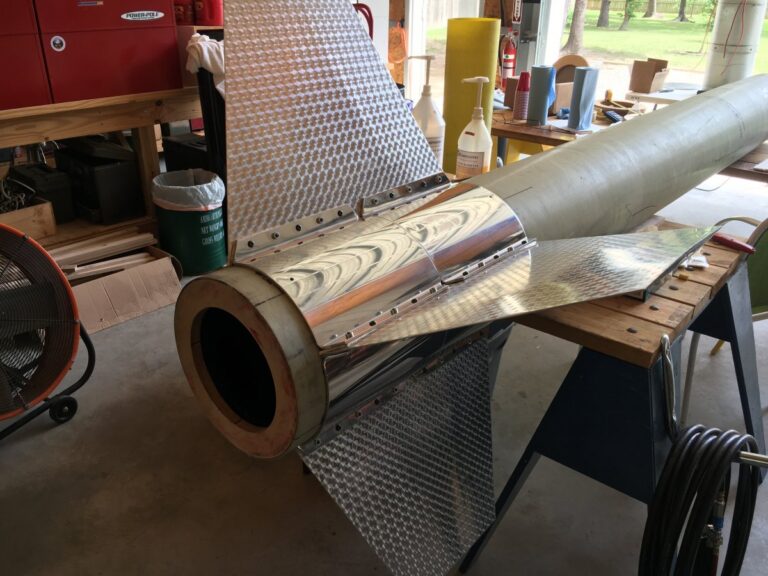
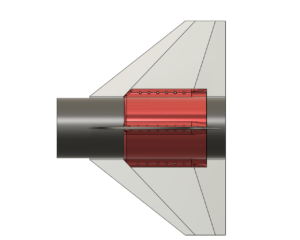
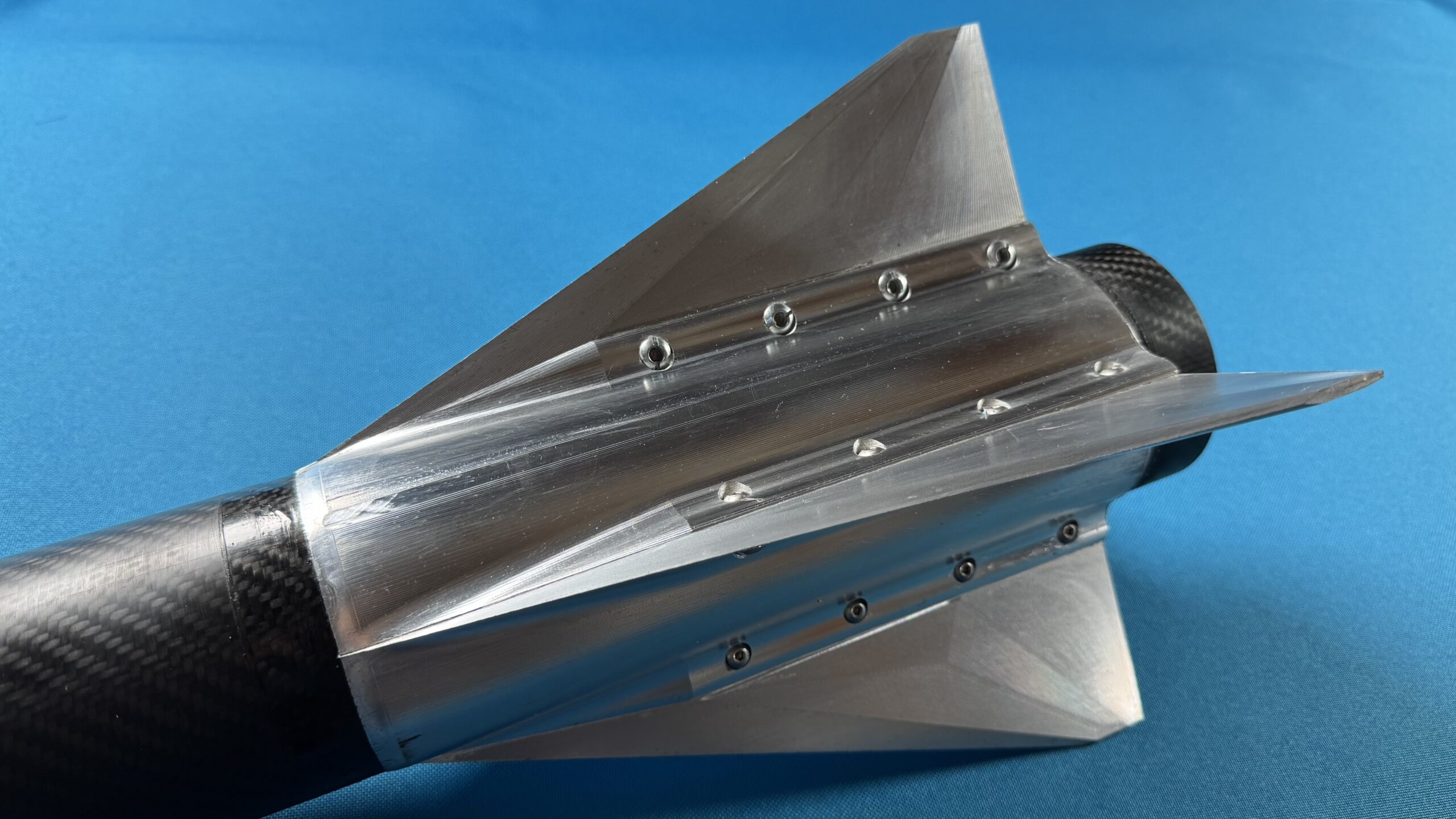
  • Full aluminum modular fin assembly from Binder Design.
  • Open Rocket design specifies 0.375” fin thickness – and that is evident from the known images.
  • Fins are fully profiled with leading and trailing edges to quarter root / tip cord lines.
  • Inter-fin brackets that are bent aluminum plate – not profiled in any form.
  • Mounting hardware fully exposed to airstream.
  • Original assembly weight: ~36lb

Design Criteria

Criteria

Description

Weight

The original fin assembly weight was ~36lb

The goal ‘should’ be to try and reduce the overall rocket weight – but the reality is that this is not a high-performance rocket so shaving a couple of pounds off the fin assembly might not be worth it – unless that allows for a bigger ‘payload’. (Debate)  

Number of Fins

The proposal is for this to be a 4-fin design – based on original.

Portability

The preference would be for the fin assembly to be removable to aid in transporting the rocket.

Fin Profile Options

Criteria


Criteria

Description

1

Looks Cool / instills that ‘look back’ feeling

  • This is a very subjective criterion and everyone that is a rocket enthusiast will have a certain rocket fin profile that they gravitate towards. The profile that defines the essence of a cool rocket.
  • Ultimately this is a combination of the specific profile but also the construction technique – the overall look.

2

Performance

  • Everyone will agree that we want the best performing Red Ryder rocket.
  • Rocket performance is ultimately governed by weight and the chosen motor performance.
  • We can however gain additional altitude / speed performance by tweaking or selecting an optimal fin profile. These gains are marginal in the bigger scheme of things.

3

Size

  • Certain fin profiles, such as the Black Brant variant, are large!
  • If we decide that we do want a fully machined modular fin assembly, then the Black Brant profile variant will be a suboptimal choice.
  • The profile and resultant size will influence the chosen Construction Technique and Construction Materials.


Performance Summary / TLDR

Note: All Performance data is based on simulations that use the Pacific Impulse P8268 motor and the ONLY variable that is altered between designs (in Open Rocket) is the fin assembly design / profile.

Fin Assembly Weight: The original Nike Smoke / Binder Design fin assembly weight was used as baseline and the fin assembly weight for each subsequent design was modified up or down based on the fin surface area percentage relative to this baseline – thus assuming the SAME building material – to keep all things equal.

Weight Difference

As a percentage change relative to baseline.

Profile

% change

Nike Smoke

<baseline>

Black Brant

+36%

Swept Delta

-22%

Clipped Delta

+0.26%

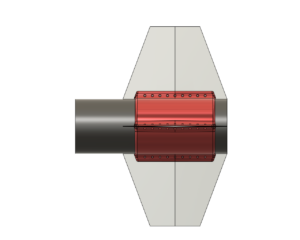
Option A: ‘Original’ / Nike Smoke Profile

The iconic Nike Smoke trapezoidal profile

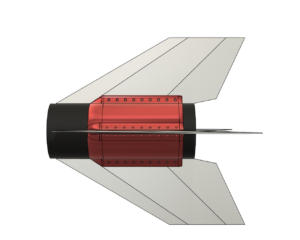
Option B: Black Brant Variant

The iconic Black Brant VC Swept or Tapered Delta

Option C: Swept Delta

Swept or Tapered Delta that is based on the Black Brant (BB) profile

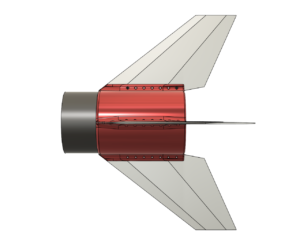
Option D: Clipped Delta

Traditional Clipped Delta

Construction Techniques

Learn more about potential construction techniques

Construction Material

Leanr more about the material options that are avaialble

Cost

High-level cost breakdown